

How Alternative Schools in Pune Are Redefining Learning for the Next Generation

Education is undergoing a major transformation. Around the world, families are questioning whether traditional schooling—often centered on rote memorization and standardized testing—truly prepares children for the complex, fast-changing future. In response, a growing number of parents are exploring alternative schools in Pune that emphasize creativity, emotional intelligence, and real-world learning.
These modern learning environments are not simply different for the sake of innovation; they are intentionally designed to nurture curiosity, independent thinking, and lifelong learning habits. For families seeking meaningful education, this shift represents a powerful step forward.
Moving Beyond Rote Learning
Traditional classrooms have long focused on memorizing information to pass exams. While foundational knowledge remains important, many educators believe students need more than textbook learning to succeed in the modern world.
Leading alternative schools in Pune adopt approaches that encourage students to question, analyze, and apply knowledge rather than simply recall it. Lessons often integrate multiple subjects, helping learners understand how ideas connect in real life.
For example, instead of studying science, mathematics, and environmental studies separately, students might work on a project about sustainable cities. Through this exploration they practice research, teamwork, creativity, and critical thinking simultaneously.
This interdisciplinary learning approach ensures that knowledge becomes meaningful rather than mechanical.
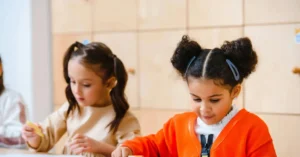
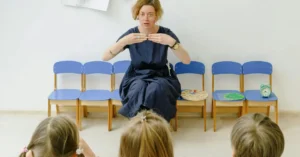
One of the defining features of alternative education is the learner-centred classroom. Here, the teacher’s role shifts from information provider to learning facilitator.
Students are encouraged to:
- Ask questions
- Explore topics that interest them
- Collaborate with peers
- Reflect on their own learning process
This model builds confidence and independence while helping children discover their strengths.
Many families searching for the best schools in Pune are increasingly drawn to this philosophy because it nurtures both academic ability and personal growth.
Another innovative feature seen in progressive education models is mixed-age learning. Instead of separating students strictly by age, classrooms may include children from different grade levels.
This approach offers several benefits:
- Younger students learn by observing older peers
- Older students strengthen understanding by mentoring others
- Collaboration replaces competition
- Social and emotional development improves
Mixed-age environments also reflect real-world communities where people of different ages learn and work together.
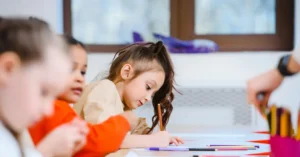
Hands-on learning is at the heart of many alternative education models. Project-based education allows students to investigate real-world challenges through research, experimentation, and creative problem solving.
Instead of memorizing facts about ecosystems, learners might build a small garden, analyze soil quality, track plant growth, and present their findings. Such experiences deepen understanding while making learning engaging and memorable.
The future workplace will demand adaptability, creativity, and collaboration. According to many education experts, the most valuable skills for tomorrow’s leaders include:
- Critical thinking
- Emotional intelligence
- Communication skills
- Creativity and innovation
- Problem-solving abilities
Alternative learning environments cultivate these competencies through meaningful projects, collaborative activities, and reflective learning.
As the education landscape evolves, many families are realizing that learning environments emphasizing curiosity and exploration may better prepare children for an unpredictable future.
1. What are alternative schools?
Alternative schools focus on learner-centred education, experiential learning, and creativity instead of rote memorization. They often incorporate project-based learning and flexible teaching methods.
2. Why are alternative schools in Pune becoming popular?
Parents are increasingly seeking education models that develop life skills such as critical thinking, collaboration, and emotional intelligence alongside academics.
3. Are alternative schools academically strong?
Yes. Many progressive institutions combine experiential learning with globally recognized curricula, ensuring students meet high academic standards while developing practical skills.
4. How do I choose the right school for my child?
Look for schools that align with your child’s learning style, offer balanced academics and creativity, and provide a supportive environment for emotional and intellectual development.
5. Can alternative schools prepare students for global universities?
Absolutely. Schools that integrate global curricula and inquiry-based learning often prepare students effectively for international higher education pathways.
Feature
- Class Size
- Learning Style
- Personalization
- Emotional Support
- Flexibility
- Global Exposure
- Large (25–40)
- Structured, teacher-led
- Limited
- Variable
- Low
- High
- Small (8–15)
- Inquiry-based, learner-led
- High personalization
- Integral to curriculum
- Very high
- High + Real-world application
If you’re searching for a preschool that goes beyond the basics and helps your child thrive in every way, Dreamtime is ready to welcome you.
Admission closing Soon
Share this Articles
You may also like these articles: