

Why Alternative Schools in Pune Are Gaining Popularity: A Deep Dive for Progressive Parents
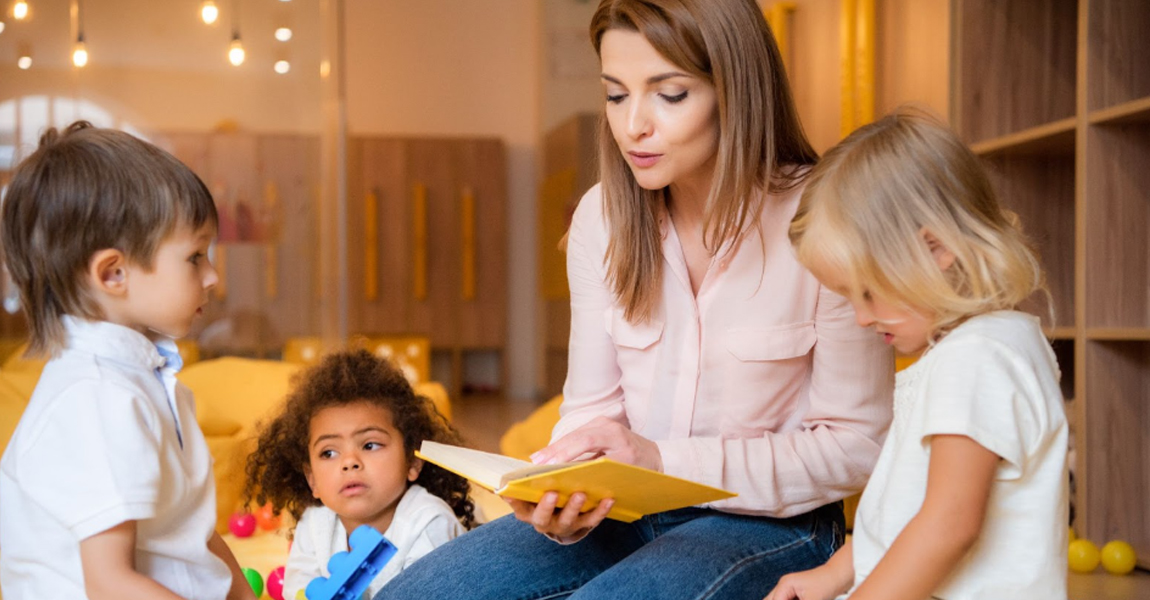
Over the past decade, Pune has earned a reputation as one of India’s leading education hubs. Yet, beyond the conventional institutions featured in every top schools in Pune list, a quieter transformation is taking place. An increasing number of families are exploring alternative schools in Pune—institutions that prioritize curiosity, creativity, and emotional intelligence alongside academics.
For progressive parents, the question is no longer, “Which school has the highest board results?” but rather, “Which school will help my child thrive in an unpredictable future?”
Moving Beyond Traditional Academic Models
Traditional schooling models often emphasize standardized testing, rigid curriculums, and uniform learning outcomes. While structure has its place, many parents are noticing that children learn best when education adapts to their pace, strengths, and interests.
- Inquiry-based learning
- Project-driven exploration
- Social-emotional development
- Global citizenship skills
Instead of preparing students merely for exams, they prepare them for life.
- Smaller class sizes
- Individual attention
- Interdisciplinary learning
- Real-world skill development
- Safe, inclusive spaces
The growing interest in alternative schools in Pune reflects a shift from performance-based metrics to purpose-driven education.
Holistic Development: The Core Differentiator
Progressive schools focus on the whole child—intellectually, emotionally, socially, and creatively. Children are encouraged to ask questions, debate ideas, collaborate on projects, and reflect on their learning.
This approach nurtures:
- Critical thinking
- Adaptability
- Communication skills
- Leadership qualities
- Independent problem-solving
Such competencies are essential in a rapidly evolving global landscape shaped by technology, innovation, and entrepreneurship.
Global Readiness with Local Roots
Many alternative institutions integrate international pedagogies while staying connected to Indian values and cultural understanding. Students gain exposure to global perspectives without losing sight of their local identity.
Safe Spaces for Emotional Growth
Another reason alternative schools in Pune are gaining momentum is their emphasis on emotional well-being. Mental health awareness among parents has grown significantly. Schools that integrate mindfulness, reflection, and mentorship systems are becoming increasingly attractive.
Children flourish when they feel:
- Heard
- Supported
- Encouraged to take intellectual risks
- Free to express themselves
A nurturing environment often translates into stronger academic confidence.
Preparing for Careers That Don’t Yet Exist
The World Economic Forum frequently highlights that many future careers are yet to be invented. Rote memorization and rigid syllabi cannot adequately prepare students for such uncertainty.
Alternative education models focus on:
- Entrepreneurial thinking
- Digital literacy
- Collaborative innovation
- Ethical leadership
FAQs Parents Commonly Search
Alternative schools in Pune are institutions that use non-traditional teaching methodologies such as project-based learning, experiential education, and student-led inquiry.
2. Are alternative schools academically strong?
Yes. Many combine strong academic foundations with creative and critical thinking approaches, ensuring students meet global benchmarks.
3. How are they different from schools in the top schools in Pune list?
While traditional rankings emphasize board results and infrastructure, alternative schools focus equally on life skills, emotional intelligence, and independent thinking.
4. Do alternative schools prepare children for international universities?
Many progressive schools integrate global standards and interdisciplinary learning, which align well with international admission expectations.
5. Is this model suitable for every child?
Children who are curious, creative, or benefit from individualized attention often thrive in such environments. However, parental alignment with the philosophy is equally important.
Feature
- Class Size
- Learning Style
- Personalization
- Emotional Support
- Flexibility
- Global Exposure
- Large (25–40)
- Structured, teacher-led
- Limited
- Variable
- Low
- High
- Small (8–15)
- Inquiry-based, learner-led
- High personalization
- Integral to curriculum
- Very high
- High + Real-world application
If you’re searching for a preschool that goes beyond the basics and helps your child thrive in every way, Dreamtime is ready to welcome you.
Admission closing Soon
Share this Articles
Share this Articles
You may also like these articles: